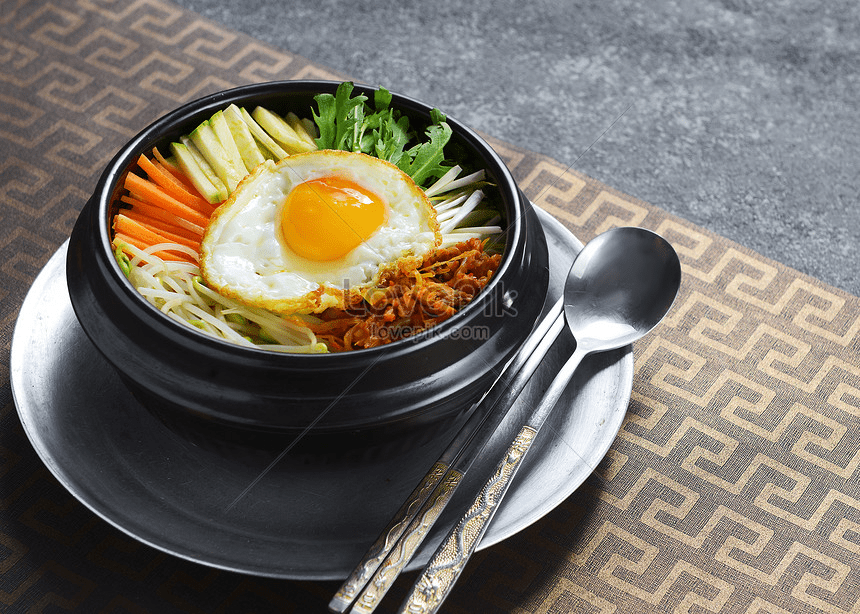
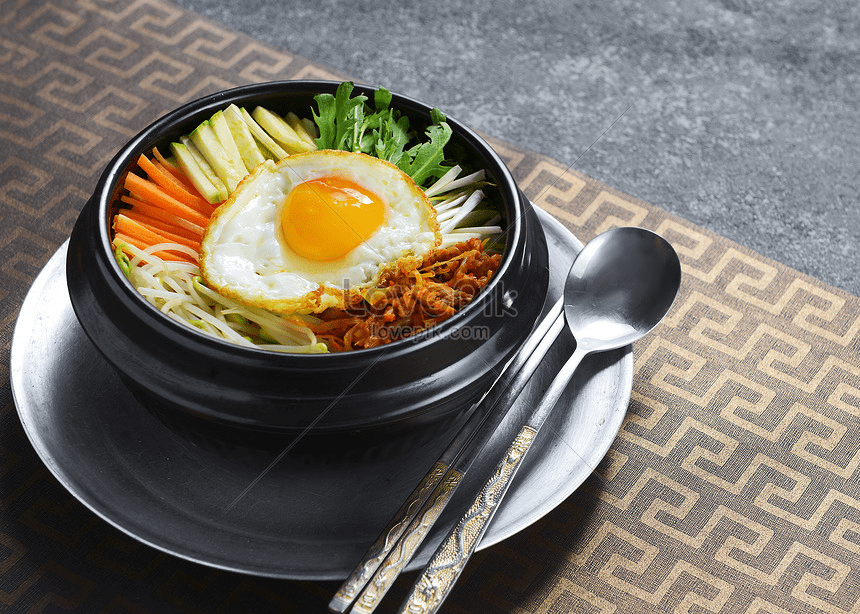
Bibimbap (비빔밥) is one of Korea’s most celebrated and globally recognized dishes. The name itself tells you everything you need to know about this beautiful creation – “bibim” means “mixed” and “bap” means “rice.” This iconic dish consists of warm rice topped with an array of colorful vegetables, protein, a fried egg, and spicy gochujang sauce, all meant to be mixed together before eating.
The Essence of Bibimbap
What makes bibimbap so special is its perfect balance of flavors, textures, and colors. Each component contributes something unique to create a harmonious whole when mixed together. The warm rice serves as a canvas for the vibrant vegetables, savory meat, and the rich, runny egg yolk that ties everything together.
Ingredients for an Authentic Bibimbap
The Base
- 2 cups short-grain white rice (traditional, though brown rice works too)
- 4 cups water for cooking rice
Protein Options
- 8 oz thinly sliced beef (typically sirloin or ribeye)
- OR tofu for vegetarian/vegan versions
Beef Marinade
- 2 tablespoons soy sauce
- 1 tablespoon sesame oil
- 1 tablespoon brown sugar
- 1 tablespoon minced garlic
- 1 teaspoon grated ginger
Vegetables (Namul)
- 1 cup bean sprouts
- 1 cup spinach
- 1 carrot, julienned
- 1 zucchini, julienned
- 5-6 shiitake mushrooms, sliced
- 1/2 cucumber, julienned
- Optional: bellflower root, fernbrake (gosari), or any seasonal vegetables
Gochujang Sauce
- 2 tablespoons gochujang (Korean red pepper paste)
- 1 tablespoon sesame oil
- 1 tablespoon sugar or honey
- 1 tablespoon water
- 1 teaspoon vinegar
- 1 teaspoon minced garlic
Finishing Touches
- 4 eggs (one per serving)
- 2 tablespoons toasted sesame seeds
- 2 green onions, chopped
- Sesame oil for drizzling
Preparing Your Bibimbap
Step 1: Cook the Rice
Cook the rice according to package instructions or in a rice cooker, aiming for a slightly drier texture than usual. This helps the rice absorb the sauce when mixing.
Step 2: Prepare the Vegetables
Each vegetable in bibimbap is typically prepared separately to maintain its distinct flavor, color, and texture. Here’s how to prepare each component:
Bean Sprouts:
- Blanch in boiling water for 1-2 minutes
- Drain and shock in cold water
- Season with salt, minced garlic, and sesame oil
Spinach:
- Blanch briefly in boiling water (30 seconds)
- Shock in cold water and squeeze out excess moisture
- Season with salt, sesame oil, and a touch of minced garlic
Carrots and Zucchini:
- Sauté separately in a pan with a little oil
- Season each with a pinch of salt
Mushrooms:
- Sauté in a pan with a little oil until moisture evaporates
- Season with a dash of soy sauce
Cucumber:
- Lightly salt to draw out moisture
- Squeeze out excess water
- Briefly sauté or leave raw for crunch
Step 3: Cook the Protein
For beef bibimbap:
- Marinate thinly sliced beef for at least 30 minutes
- Cook in a hot pan for 2-3 minutes until just done
- Set aside
For tofu bibimbap:
- Slice firm tofu into thin rectangles
- Pan-fry until golden
- Brush with a light soy sauce glaze
Step 4: Make the Gochujang Sauce
Mix all sauce ingredients in a small bowl until smooth and well-combined. Adjust sweetness and spiciness to taste.
Step 5: Fry the Eggs
Fry eggs sunny-side up, keeping the yolks runny for the authentic bibimbap experience.
Step 6: Assemble Your Bibimbap
- Place warm rice in a wide bowl
- Arrange the vegetables in separate sections around the rice, creating a colorful display
- Add the cooked beef or tofu
- Place the fried egg in the center
- Sprinkle with sesame seeds and green onions
- Serve with gochujang sauce on the side
Traditional Dolsot Bibimbap
For an elevated bibimbap experience, try dolsot bibimbap (돌솥비빔밥), which is served in a hot stone bowl. The high temperature of the stone bowl creates a delicious crispy layer of rice at the bottom and keeps the entire dish piping hot throughout your meal.
To make dolsot bibimbap:
- Heat stone bowls in the oven at 400°F (200°C) for about 30 minutes
- Brush the inside of the hot stone bowls with sesame oil
- Add rice and press it against the sides of the bowl
- Arrange toppings as usual
- Let it sit for a few minutes until you hear the rice sizzling
- Serve with caution, as the stone bowl will be extremely hot
The Art of Eating Bibimbap
Bibimbap isn’t just about the ingredients; it’s also about how you eat it:
- Drizzle the gochujang sauce over the top
- Mix everything thoroughly with a spoon before eating
- Enjoy the harmony of flavors and textures in each bite
Cultural Significance
Bibimbap originated as a way to use leftover side dishes (banchan), showcasing the practical and resourceful nature of Korean cuisine. It has evolved from a humble leftover dish to a beloved national treasure and global culinary icon.
The colorful arrangement of ingredients represents harmony and balance, which are central to Korean food philosophy. Each color has symbolic meaning in traditional Korean culture – red/orange (carrots) for fire, green (spinach, cucumber) for wood, white (rice, bean sprouts) for metal, black (mushrooms) for water, and yellow (egg yolk) for earth.
Modern Variations
Today, bibimbap has evolved beyond its traditional form:
- Fusion Bibimbap: Incorporating non-Korean ingredients like avocado, quinoa, or Mexican-inspired toppings
- Vegan Bibimbap: Replacing the egg and meat with plant-based proteins and focusing on diverse vegetables
- Seafood Bibimbap: Using shrimp, squid, or other seafood instead of beef
- Regional Variations: Different regions in Korea have their own special versions, like Jeonju Bibimbap, which is famous for its quality ingredients and elaborate preparation
Health Benefits
Bibimbap is not just delicious but also nutritionally balanced:
- Provides a good mix of carbohydrates, proteins, and vegetables
- Rich in vitamins and minerals from the diverse vegetables
- Relatively low in fat (especially if you choose lean proteins)
- Fermented components like gochujang contain beneficial probiotics
Whether you’re new to Korean cuisine or a seasoned fan, bibimbap offers a perfect introduction to the flavors and philosophy of Korean food. Try making this colorful bowl at home and experience the joy of mixing these beautiful ingredients into a harmonious, satisfying meal!
Have you tried making bibimbap at home? What are your favorite toppings? Share your experience in the comments below!