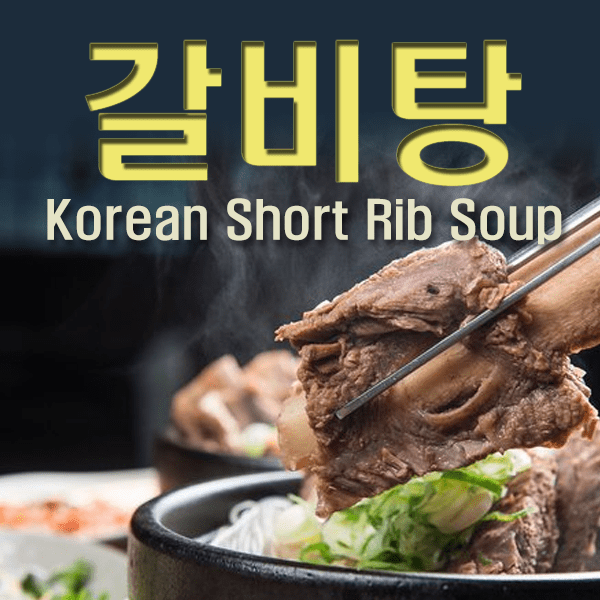
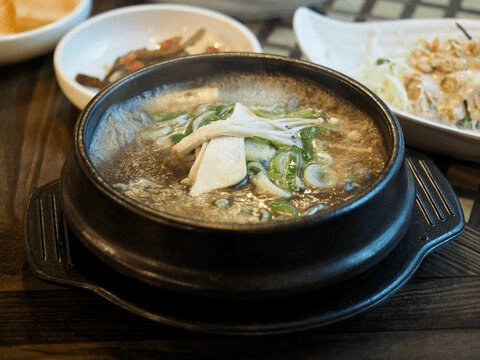
Galbitang is a Korean short-rib soup built around tender beef and a clear broth. The useful choices are how to clean the ribs, how gently to simmer the broth, and when to stop cooking based on the meat rather than a fixed time.
For a clearer broth, rinse the blanched ribs well, begin again with fresh water, and keep the pot at a quiet simmer. Noodles, radish, green onion, and garlic are optional serving components rather than requirements.
What to Look For in Galbitang
The broth should taste beef-forward without being heavily seasoned. If it is cloudy, the first check is the blanching and rinsing step; if it tastes thin, reduce a portion of the strained broth before adding more salt.
Use the meat as the final doneness check: a fork should enter with little resistance and the meat should separate from the bone without forcing it. Rib thickness, the cut, and the simmer all affect the time needed.
Serve the ribs in the broth or remove the meat first for easier portioning. Each diner can add salt, pepper, garlic, and green onion at the table.
Ingredients and Optional Additions
For the Broth
- 3-4 lbs Korean-style short ribs (galbi), cut flanken-style
- 1 Asian pear, quartered
- 1 onion, quartered
- 6 cloves garlic, smashed
- 2-inch piece ginger, sliced
- 2 bay leaves
- 12-14 cups water
- Salt and white pepper to taste
For Serving
- 2 oz sweet potato starch noodles (dangmyeon), optional
- 3 green onions, chopped
- 2 cloves garlic, minced for serving
- 1 Korean radish, julienned (or regular radish works too)
- Cooked rice for serving
Choosing the Ribs
Look for short ribs cut across the bones (flanken-style) if that is the presentation you want. Ask the butcher how the ribs were cut and choose pieces of similar thickness so they cook at a similar pace.
If Korean-style ribs are unavailable, ask whether the butcher can cut short ribs across the bones. A regular pear or apple can stand in for Asian pear, though the flavor will differ.
Sweet potato noodles are optional. Omit them, or use a noodle that suits the serving size and cooking method.
Cooking Method
Step 1: Soak, Blanch, and Rinse
Use this preparation sequence to remove surface impurities before starting the broth:
- Soak the ribs in cold water for 1-2 hours to draw out excess blood
- Change the water 2-3 times during soaking
- Place ribs in a large pot and cover completely with water
- Bring the ribs to a boil, then drain and rinse them before beginning the fresh broth
- Discard the water and rinse away foam and residue
- Rinse the ribs under running water and clean the pot before refilling it
- Start the broth with fresh water after rinsing
Step 2: Simmer Until the Meat Is Tender
Keep the broth at a low simmer and check the rib texture as it cooks:
- Place cleaned ribs in a large pot or slow cooker
- Add pear, onion, smashed garlic, ginger, and bay leaves
- Cover with 12-14 cups fresh cold water
- Bring to a gentle boil, then reduce to the lowest simmer possible
- Continue simmering until a fork enters the meat easily; the required time varies with the ribs and heat
- Skim off any foam that rises during the first hour
- Check a thick piece before deciding the ribs are done
Pressure-cooker timing depends on the appliance and rib thickness. Use the manufacturer’s instructions and check the meat before serving rather than relying on an inherited fixed time.
Step 3: Strain and Season
- Remove the ribs carefully and set them aside
- Strain the broth through a fine-mesh sieve lined with cheesecloth
- Strain again if you prefer a clearer broth
- Season lightly with salt and white pepper
- Season gradually with salt and pepper, then adjust to your preference
Step 4: Prepare Noodles and Garnish
- If using sweet potato noodles, soak them in warm water until soft, then cut into manageable lengths
- Julienne your radish into thin matchsticks
- Slice the green onions and prepare the garlic
- Warm serving bowls if you want to help the soup stay hot at the table
Step 5: Assemble Each Bowl
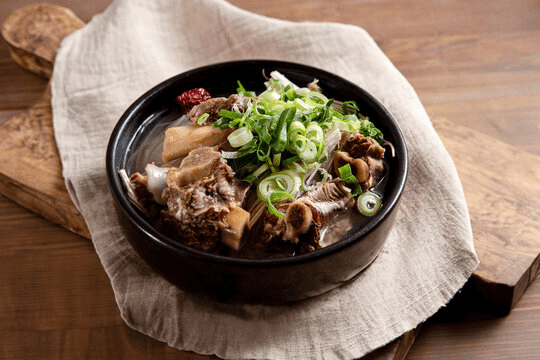
- Place 2-3 pieces of rib in each heated bowl
- Add a small handful of noodles and radish strips
- Ladle the piping hot broth over everything
- Garnish with green onions
- Serve immediately with rice, extra minced garlic, salt, and pepper on the side
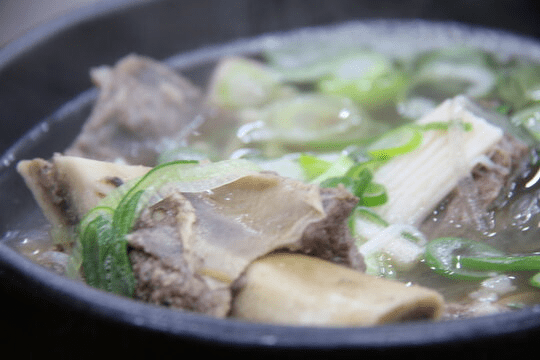
Serving Choices
Choose a serving style that makes the ribs and broth easy to portion:
Ribs: Serve them on the bone, or separate the meat for easier eating.
Seasoning: Put minced garlic, salt, and pepper on the table so each diner can adjust the bowl.
Noodles: Add them only after they are soft enough to separate easily.
Rice: Serve rice alongside, or add it to the soup if that is your preference.
Temperature: Serve the soup hot, but take care with bowls and broth that retain heat.
Food-Safety Notes
This page does not make nutrition or health claims. Handle the cooked soup as a perishable food:
- Refrigerate leftovers within 2 hours of cooking; use 1 hour when the surrounding temperature is above 90°F (32°C).
- Divide soup into shallow containers so it cools more quickly.
- Keep refrigerated leftovers at 40°F (4°C) or below and use them within 3 to 4 days.
- Freeze portions you will not use within that period.
Optional Variations
These changes alter the result, so treat them as options rather than a single traditional formula:
- Radish or mushrooms: Add them near the end so they do not overcook.
- Spicy side: Serve kimchi or gochugaru separately rather than changing the whole pot.
- Ginseng: Use it only if its flavor suits the broth; it is a flavor choice, not a health claim.
- Garnish: Green onion and radish keep the presentation simple.
What This Version Does and Does Not Claim
Galbitang recipes vary by household, restaurant, rib cut, and seasoning preference. This page keeps one inherited home-style version and does not claim a single royal-court origin or definitive traditional formula.
No author cooking log was supplied for this review. The recipe is therefore not labeled kitchen-tested, and exact timing, yield, and taste should be adjusted after checking the ribs and broth in your own kitchen.
Sources and Verification Limit
Storage guidance follows the USDA leftovers guidance: refrigerate cooked food promptly, use shallow containers for cooling, and use refrigerated leftovers within 3 to 4 days. This inherited recipe has not been labeled kitchen-tested because no owner cooking record was supplied for this review.
Galbitang Troubleshooting
- Cloudy broth: Blanch and rinse the ribs first, then keep the fresh broth at a gentle simmer instead of a rolling boil.
- Greasy soup: Skim during cooking, or chill the strained broth and lift off the hardened fat before reheating.
- Tough short ribs: Continue simmering until a fork enters the meat easily. Cooking time depends on rib thickness.
- Weak flavor: Reduce the strained broth slightly before adding more salt. Seasoning a watery broth more heavily will not create the same depth.
Serving, Storage, and Reheating
Serve galbitang with plain rice, sliced green onion, and a crisp kimchi such as kkakdugi. Cool leftovers promptly and refrigerate the ribs in the broth so the meat stays moist. Reheat only the portion you plan to eat and bring the broth to a full simmer before serving.
Compare this clear short-rib broth with mild seolleongtang and spicy yukgaejang. If this is your first week cooking Korean food, begin with the five-dish Korean cooking starter plan.