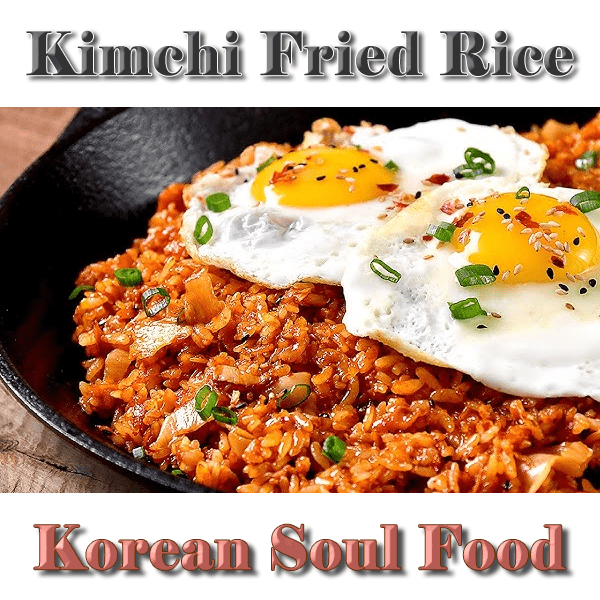
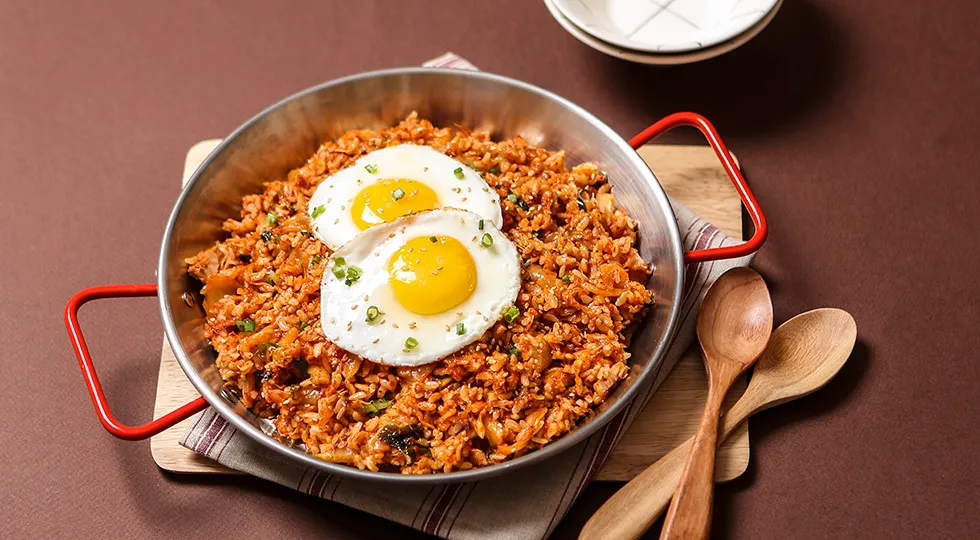
Kimchi Fried Rice (김치볶음밥, kimchi bokkeumbap) is the ultimate comfort food that perfectly embodies the Korean philosophy of never wasting food. This beloved dish transforms day-old rice and fermented kimchi into a smoky, spicy, and deeply satisfying meal that warms both the stomach and the soul. The name literally means “kimchi stir-fried rice,” but this simple description doesn’t capture the magic that happens when aged kimchi meets perfectly seasoned rice in a hot pan.
The Essence of Kimchi Fried Rice
What makes kimchi fried rice extraordinary is its transformation of humble ingredients into something spectacular. The fermented kimchi provides a complex tanginess and heat, while the rice absorbs all those incredible flavors along with the smokiness from high-heat cooking. It’s a dish that tastes better when made with leftover rice and well-aged kimchi – proving that sometimes the best things come from what might otherwise be forgotten.
Ingredients for Authentic Kimchi Fried Rice
The Base
- 4 cups day-old cooked rice (preferably short-grain Korean rice)
- 1 cup well-fermented kimchi, roughly chopped
- 2-3 tablespoons kimchi juice (the liquid from the kimchi jar)
Protein Options
- 6 oz pork belly or shoulder, diced
- OR 4 oz spam, diced (popular modern variation)
- OR 2 eggs for vegetarian version
Aromatics
- 2 green onions, chopped (white and green parts separated)
- 2 cloves garlic, minced
- 1 small onion, diced (optional)
Seasonings
- 2 tablespoons vegetable oil (or sesame oil for extra flavor)
- 1 tablespoon soy sauce
- 1 teaspoon sugar
- 1/2 teaspoon sesame oil for finishing
- Salt and pepper to taste
Garnish
- 1 fried egg per serving (sunny-side up)
- 1 tablespoon toasted sesame seeds
- 1 sheet of seasoned seaweed (gim), cut into strips
- Additional chopped green onions
Preparing Your Kimchi Fried Rice
Step 1: Prepare Your Ingredients
The key to great kimchi fried rice is having everything ready before you start cooking, as the process moves quickly once you begin.
Rice Preparation:
- Use day-old rice that has been refrigerated – this prevents the grains from becoming mushy
- Break up any clumps with your hands or a fork
- Let it come to room temperature for easier cooking
Kimchi Preparation:
- Use kimchi that’s at least a week old for best flavor
- Roughly chop into bite-sized pieces
- Reserve the kimchi juice – this liquid gold adds incredible depth
Step 2: Cook the Protein
For Pork Belly:
- Heat a large wok or skillet over medium-high heat
- Add diced pork belly and cook until golden and crispy (5-7 minutes)
- The rendered fat will be used to cook the rice
For Spam:
- Dice and pan-fry until golden on all sides
- Set aside and use the rendered oil for cooking
Step 3: Build the Flavor Base
- In the same pan with the rendered fat, add minced garlic and white parts of green onions
- Stir-fry for 30 seconds until fragrant
- Add chopped kimchi and stir-fry for 2-3 minutes until it starts to caramelize
- Add kimchi juice and let it reduce slightly
Step 4: Add the Rice
- Add the day-old rice to the pan
- Break up any clumps and stir-fry for 3-4 minutes, allowing the rice to absorb the kimchi flavors
- Add soy sauce and sugar, mixing well to ensure even distribution
- Continue stir-frying over high heat for another 2-3 minutes until the rice develops a slight char
Step 5: Final Seasoning
- Return the cooked protein to the pan
- Add the green parts of the scallions
- Drizzle with sesame oil for finishing
- Taste and adjust seasoning with salt, pepper, or additional soy sauce
Step 6: Serve and Garnish
- Transfer the fried rice to serving bowls
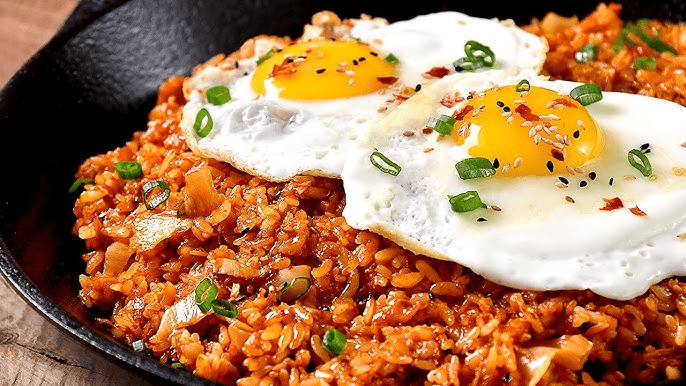
- Top each serving with a sunny-side up fried egg
- Sprinkle with toasted sesame seeds and strips of seasoned seaweed
- Garnish with additional chopped green onions
The Perfect Kimchi for Fried Rice
Not all kimchi is created equal when it comes to fried rice. The best kimchi for this dish is:
- Well-fermented: At least 1-2 weeks old for deep, complex flavors
- Slightly sour: The fermentation adds the perfect tang
- Not too watery: Excess liquid can make the rice soggy
- Golden-colored: Indicates proper fermentation and caramelization potential
Pro Tips for Restaurant-Quality Results
Temperature Control: Use the highest heat your stove can manage. The “wok hei” (breath of the wok) – that slightly smoky, charred flavor – is what separates great kimchi fried rice from the ordinary.
Rice Selection: Day-old rice is crucial. Freshly cooked rice contains too much moisture and will result in a mushy texture. The grains should be separate and slightly dried out.
Timing is Everything: Have all ingredients prepped and ready. Once you start cooking, the entire process takes less than 10 minutes.
Cultural Significance and Variations
Kimchi fried rice represents the heart of Korean home cooking – the ability to create something delicious from simple, everyday ingredients. It’s often made when the refrigerator seems empty, transforming leftover rice and aged kimchi into a satisfying meal.
Regional and Modern Variations:
- Budae Kimchi Fried Rice: Incorporating spam and sausages, influenced by budae-jjigae
- Seafood Kimchi Fried Rice: Adding shrimp, squid, or other seafood
- Cheese Kimchi Fried Rice: A modern fusion topped with melted cheese
- Vegetarian Version: Using mushrooms or tofu instead of meat
Health Benefits
Beyond its incredible taste, kimchi fried rice offers several nutritional advantages:
- Probiotics: From fermented kimchi supporting digestive health
- Vitamin C: Abundant in well-fermented kimchi
- Fiber: From the vegetables in kimchi
- Complete Meal: Provides carbohydrates, protein, and vegetables in one dish
The Art of Eating Kimchi Fried Rice
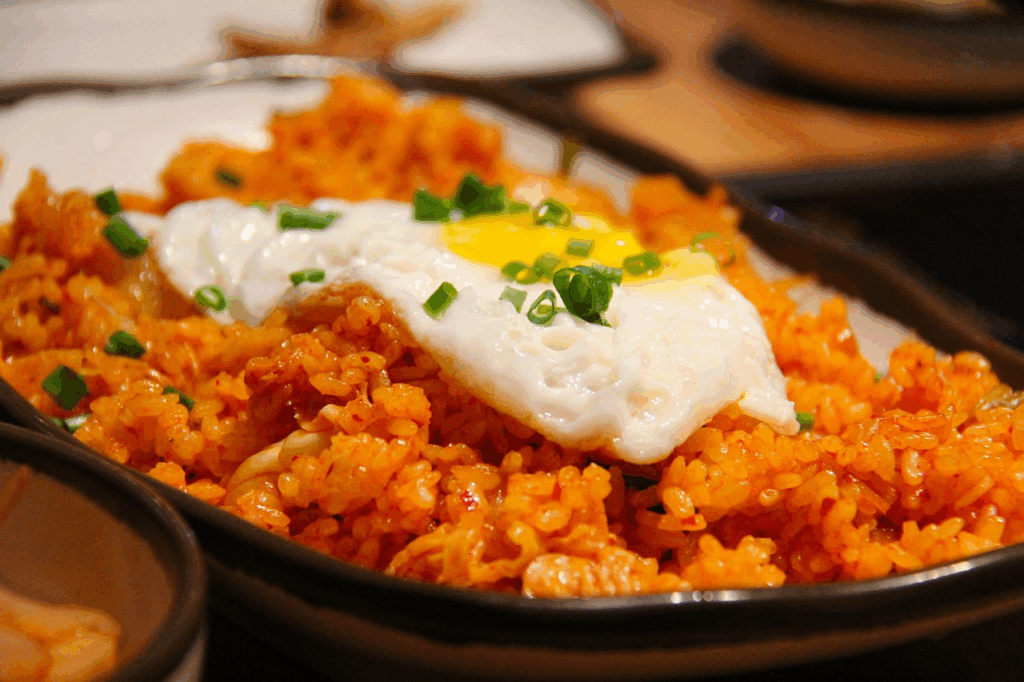
The traditional way to enjoy kimchi fried rice is to break the egg yolk and mix it throughout the rice, creating a creamy richness that balances the spicy, tangy kimchi. Each bite should have a perfect combination of rice, kimchi, protein, and that golden egg yolk.
Whether you’re dealing with leftover rice, craving comfort food, or wanting to experience authentic Korean home cooking, kimchi fried rice delivers satisfaction in every spoonful. It’s proof that the best dishes often come from the simplest ingredients combined with a little creativity and a lot of love.
Have you tried making kimchi fried rice at home? What’s your favorite variation? Share your kimchi fried rice adventures in the comments below!