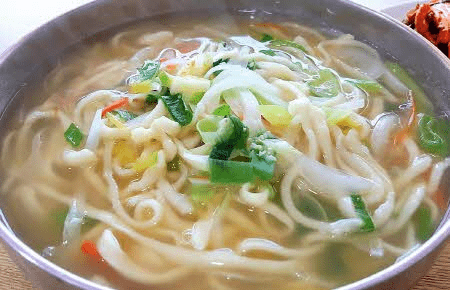
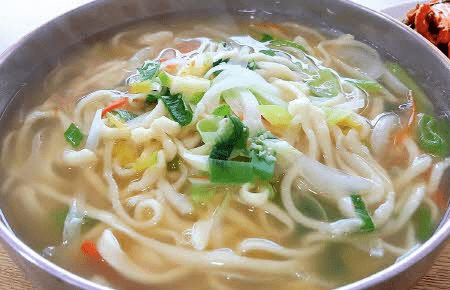
Hello everyone! This is Kfood Journal. Today, we’re introducing Kalguksu, one of Korea’s most cherished soul foods. Join us as we explore the world of these knife-cut noodles, where the chewy texture of hand-kneaded dough meets a simple yet profound broth for a truly comforting culinary experience.
The History of Kalguksu: A Precious Wheat Transformation
The name “Kalguksu” derives from “kal” (knife) and “guksu” (noodles), referring to the method of cutting the dough with a knife. In Korea’s past, when wheat flour was scarce, Kalguksu was considered a special dish reserved for celebrations or holidays. According to the Annals of the Joseon Dynasty, it was even enjoyed in the royal court. It was also traditionally eaten after harvests as a symbol of abundance and good fortune. Regional variations developed over time—the west coast is known for clam Kalguksu, while Gangwon Province specializes in potato Kalguksu. In modern times, as wheat flour became an everyday ingredient, Kalguksu evolved into one of Korea’s most beloved comfort foods.
Ingredients (Serves 4)
Noodle Dough
- 3 cups all-purpose flour
- 1 teaspoon salt
- 1 cup warm water
- 1/4 cup cold water
Broth
- 20 dried anchovies (heads and intestines removed)
- 1 piece kelp (10x15cm)
- 3 dried shiitake mushrooms
- 1/2 onion
- 1 white part of green onion
- 5 cloves of garlic
- 1 tablespoon soup soy sauce
- Salt to taste
- 10 cups water
Toppings
- 1/2 Korean zucchini
- 1 potato
- 1/4 carrot
- 200g clams (optional)
- 1 green onion
- 1 tablespoon sesame oil
- Toasted sesame seeds
Preparation Method
- Making the Dough
- Mix flour and salt in a bowl, then gradually add warm water while mixing.
- When the dough begins to come together, add a little cold water and continue kneading.
- Knead the dough for at least 10 minutes until smooth and elastic.
- Place the finished dough in a plastic bag and let it rest at room temperature for at least 30 minutes.
- Preparing the Broth
- In a large pot, combine water, anchovies, kelp, shiitake mushrooms, onion, green onion, and garlic.
- Bring to a boil, then reduce to medium heat and simmer for 20 minutes.
- Remove the kelp after about 5 minutes of boiling, then strain the rest of the ingredients after 20 minutes.
- Season with soup soy sauce and salt to taste.
- Preparing the Toppings
- If using clams, soak them in salted water to remove sand.
- Julienne or thinly slice the zucchini, potato, and carrot.
- Chop the green onion.
- Cutting the Noodles
- Roll out the rested dough to 2-3mm thickness with a rolling pin.
- Dust with flour to prevent sticking, then cut into 2-3mm wide strips with a knife.
- Sprinkle the cut noodles with flour to keep them from sticking together.
- Assembling the Kalguksu
- In the prepared broth, first add the potatoes and simmer, then add zucchini and carrots.
- When the vegetables are half-cooked, add the hand-cut noodles.
- When the noodles begin to float, add the clams.
- Once the noodles have all risen to the surface and are cooked, add the green onions and turn off the heat.
- Serve in bowls with a drizzle of sesame oil and a sprinkle of sesame seeds.
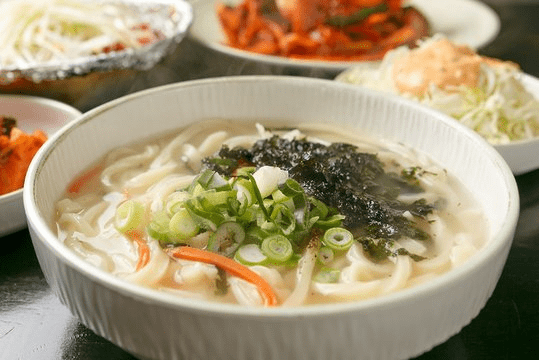
5 Golden Secrets for Perfect Kalguksu
- Rest the Dough: Allow the dough to rest for at least 30 minutes to develop gluten, resulting in chewy noodles.
- Maintain Consistent Thickness: Roll the dough to an even 2-3mm thickness to ensure uniform cooking.
- Mix Warm and Cold Water: Using both warm and cold water creates a texture that is both chewy and tender.
- Remove Anchovy Heads and Intestines: To prevent bitterness in the broth, always remove the heads and intestines of dried anchovies.
- Time the Noodle Cooking Precisely: Fresh noodles are nearly cooked once they float to the surface—be careful not to overcook them.
Kalguksu Variations
- Bajirak Kalguksu: West coast style with clams, offering a refreshing seafood flavor
- Perilla Seed Kalguksu: Enhanced with nutty perilla seed powder for added richness
- Potato Kalguksu: Gangwon Province style with potato starch creating a milky broth
- Chicken Kalguksu: Using chicken stock for a deeper flavor, perfect as a revitalizing meal
- Bibim-kalguksu: Summer variation mixed with spicy sauce instead of broth
Serving Suggestions
Kalguksu is best enjoyed steaming hot. It’s traditionally served with kimchi, particularly kkakdugi (cubed radish kimchi) or yeolmu kimchi (young radish kimchi). Adding a side of pajeon (green onion pancake) or kimchijeon (kimchi pancake) makes for a more substantial meal. To preserve the delicate flavor of the broth, it’s customary to season lightly and allow each person to adjust the saltiness with additional salt or soup soy sauce according to their preference. This dish is particularly comforting on rainy days or in cool weather, when its warmth provides special comfort.
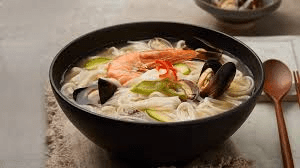
A Bowl of Devotion, Kalguksu’s Warmth
A bowl of Kalguksu is far more than just noodles—it’s a labor of love crystallized through the process of kneading, rolling, and cutting by hand. When the chewy noodles harmonize with the simple broth, we experience a comfort akin to a mother’s homemade cooking. In the midst of our busy lives, take the time occasionally to knead dough and cut noodles for Kalguksu. The process itself provides a meditative pause, and the completed bowl offers a happiness more valuable than any gourmet dish.
#KoreanFood #Kalguksu #HandcutNoodles #NoodleSoup #ClamKalguksu #RainyDayFood #KfoodJournal
This article is part of the Korean Noodle Dishes Series by Kfood Journal.