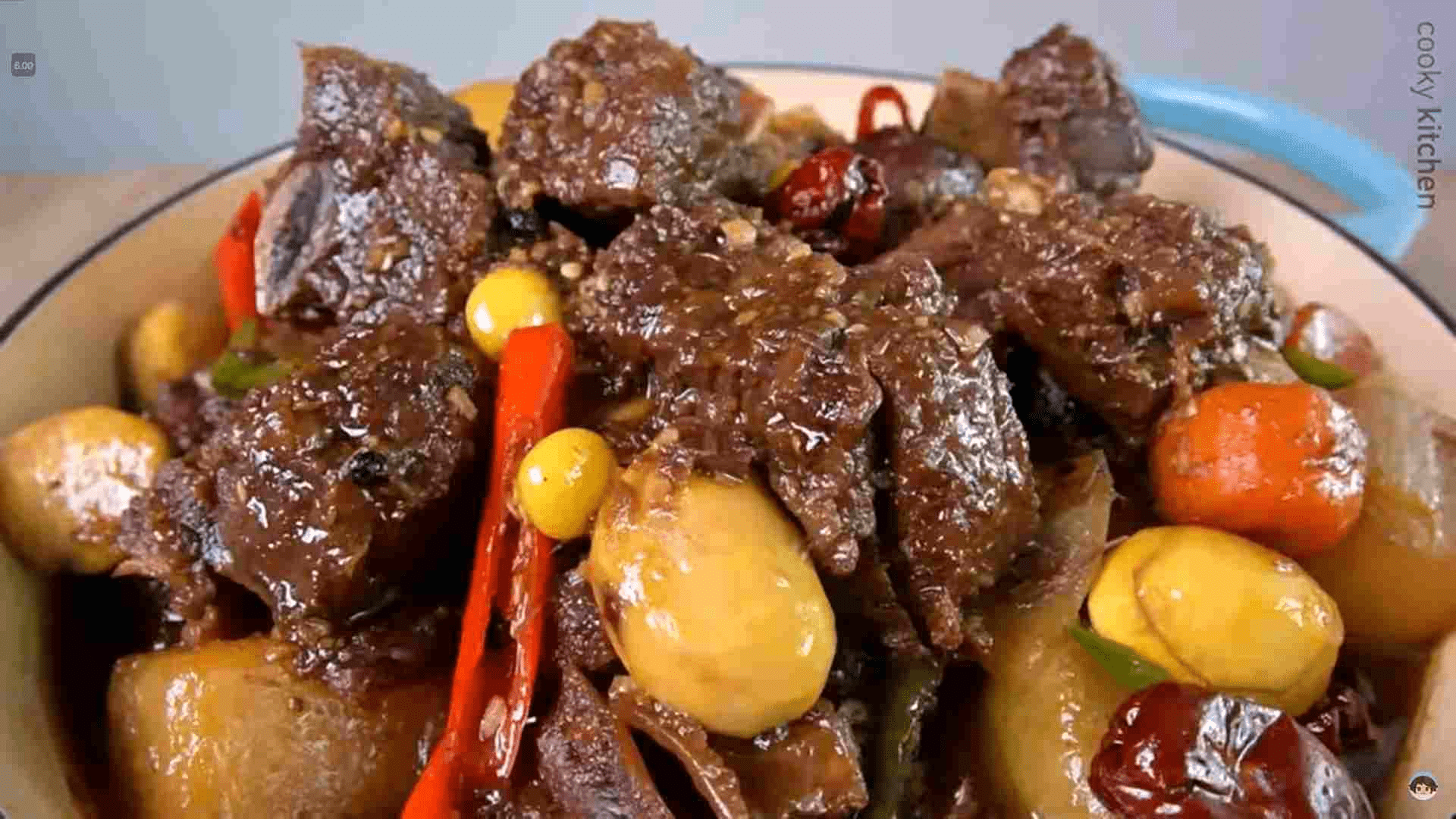
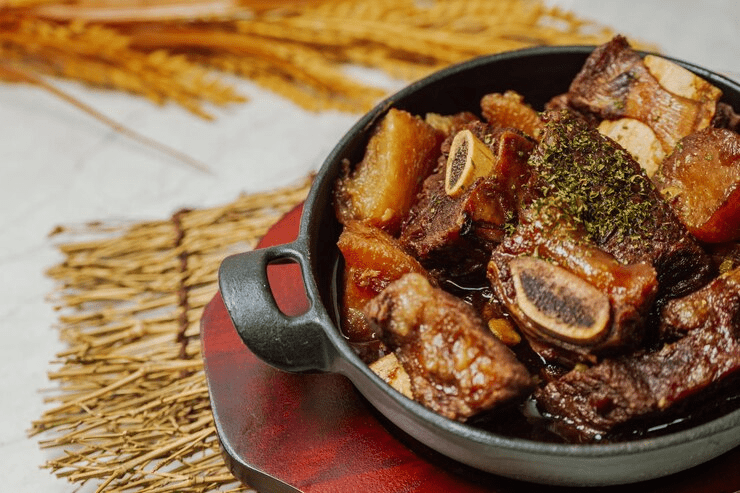
Hello everyone! Welcome to Kfood Journal. Today, we’re diving into ‘galbijjim,’ a signature Korean holiday dish that’s a must-have for special occasions. Let’s uncover the secrets behind these tender, sweet-savory beef short ribs that literally melt in your mouth!
The History of Galbijjim: A Precious Dish Made with Precious Ingredients
Galbijjim originated in the royal courts of the Joseon Dynasty and was served at banquets in noble households. Beef short ribs were expensive ingredients that ordinary people couldn’t afford to enjoy regularly, reserved only for special occasions like holidays, birthdays, or weddings. The sweet soy sauce marinade we associate with galbijjim today became popular during the late Joseon period. The Suwon region in Gyeonggi Province was particularly famous for its beef rib dishes—legend has it that King Jeongjo promoted rib dishes to feed laborers during the construction of Hwaseong Fortress. While societal changes have made galbijjim more accessible for everyday enjoyment, it still holds a special place as a holiday dish and for entertaining important guests.
Ingredients (Serves 4)
Main Ingredients
- 2kg beef short ribs (for braising)
- 1 carrot
- 1/2 Korean radish (daikon)
- 6 shiitake mushrooms
- 10 jujubes (Korean dates)
- 20 ginkgo nuts (frozen ones work well)
- 10 chestnuts
- 2 eggs (for garnish)
- 2 green chili peppers (for garnish, optional)
- 1/4 pomegranate (for garnish, optional)
Marinade
- 1/2 cup soy sauce
- 3 tablespoons sugar
- 3 tablespoons corn syrup (or rice syrup)
- 1/2 Asian pear (grated)
- 1/2 onion (grated)
- 2 tablespoons minced garlic
- 1 teaspoon minced ginger
- 1 tablespoon sesame oil
- 1 tablespoon sesame seeds
- 1/2 teaspoon black pepper
- 2 tablespoons rice wine (optional)
- 1/2 cup cola (optional, tenderizes the meat)
Broth Ingredients
- 3 cups water
- 1/2 onion
- 1 green onion
- 1 piece kombu (dried kelp, 10x10cm)
- 10 dried anchovies
Step-by-Step Cooking Process
1. Preparing the Ribs
- Soak the beef ribs in cold water for about 2 hours to remove blood, changing the water 2-3 times.
- Blanch the ribs in boiling water for 5 minutes, then rinse in cold water to remove impurities.
- Trim excess fat from the ribs and score them with shallow cuts to help the marinade penetrate.
2. Preparing the Marinade
- Grate the Asian pear and onion using a grater or blend them in a food processor.
- Mix all marinade ingredients together until well combined.
- Coat the prepared ribs evenly with the marinade and let them marinate for at least 2 hours (preferably overnight).
3. Making the Broth
- Combine all broth ingredients in a pot, bring to a boil over medium heat for 20 minutes, then strain.
4. Cooking the Galbijjim
- Place the marinated ribs and broth in a deep pot or pressure cooker.
- Bring to a boil over high heat, then reduce to medium-low and simmer for 1.5-2 hours (about 40 minutes if using a pressure cooker).
- Flip the ribs occasionally to ensure even cooking, adding more broth if the sauce reduces too much.
- When the ribs become tender, add the carrot, radish, and shiitake mushrooms and cook for another 20 minutes.
- Finally, add the ginkgo nuts, chestnuts, and jujubes and simmer for 10 more minutes to infuse the flavors.
5. Finishing & Garnishing
- Separate the egg whites and yolks, make thin pancakes with each, and slice them into thin strips.
- Slice the green chili peppers at an angle.
- Transfer the galbijjim to a serving dish and garnish with egg strips, green chili, and pomegranate seeds.
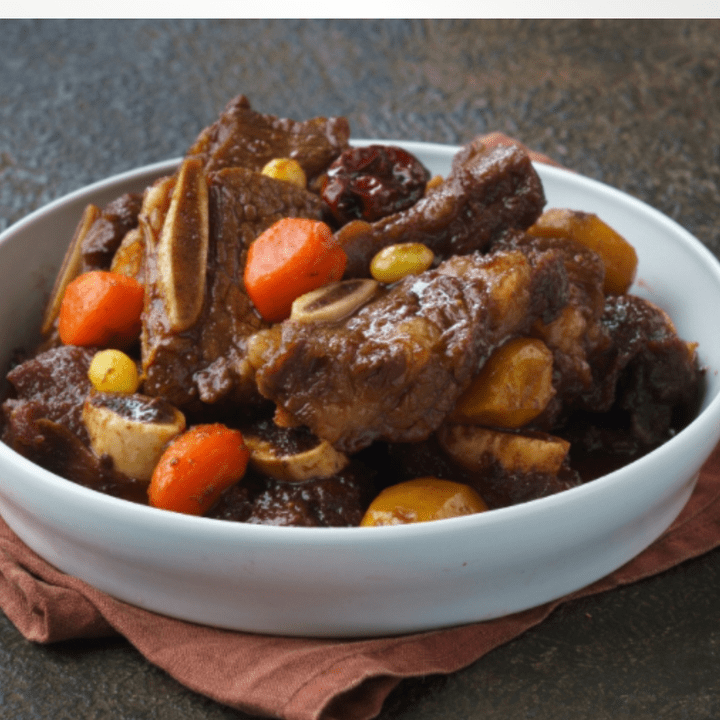
5 Key Points for Perfect Galbijjim
- Rib Selection Matters: Choose ribs with a good balance of meat and fat, and thick bones. Korean-style short ribs are more suitable than LA-style cut ribs.
- Don’t Skip the Soaking and Blanching: This crucial process removes blood and impurities for a clean-tasting dish.
- Marinate Overnight If Possible: Allow at least 2 hours, but overnight marination allows flavors to fully penetrate the meat.
- Slow-Cook on Low Heat: Cooking too quickly on high heat makes the meat tough. Slow simmering on medium-low heat ensures tenderness.
- Use Fruit or Cola for Tenderizing: Enzymes in Asian pear or kiwi, or the acidity in cola, help break down meat fibers for incredible tenderness.
Creative Variations: Galbijjim Transformations
- Spicy Galbijjim: Add Korean red pepper powder and gochujang (red pepper paste) to the marinade for a spicy kick.
- Fruit Galbijjim: Add pear, apple, or pineapple for a refreshing sweetness.
- Mushroom Galbijjim: Enhance the umami flavor by adding various mushrooms like shiitake, king oyster, and enoki.
- Galbijjim Rice Bowl: Use leftover galbijjim and sauce over rice for a hearty meal.
- Galbijjim Hot Pot: Add more broth to leftover galbijjim and various vegetables to transform it into a hot pot.
Serving Tips
- Galbijjim is best served hot. Use a heat-retaining dish or stone pot to keep it warm longer.
- The savory-sweet sauce pairs wonderfully with plain white rice.
- If the galbijjim is too sweet, balance it with tangy side dishes like radish kimchi or young radish kimchi.
- Provide forks or tongs along with chopsticks to help guests easily remove meat from the bones.
- Since many people enjoy eating ribs with their hands, having wet towels available is a thoughtful touch.
A Labor of Love, A Joy to Share
Galbijjim requires a significant time investment from preparation to completion. However, this time isn’t just about waiting—it’s a process of infusing the dish with care and love. The morning preparations during holidays, the gradually spreading rich aroma, and the anticipation in family members’ eyes… galbijjim carries meaning beyond just food. The melt-in-your-mouth tenderness and deep sweetness of the ribs reward the hours of dedicated preparation. Even on non-special days, a plate of galbijjim shared with cherished people will make any gathering more meaningful.
#KoreanFood #Galbijjim #HolidayFood #BeefRibs #KoreanCuisine #TraditionalFood #FeastDish #EntertainingFood #KfoodJournal
This article was written as part of Kfood Journal’s ‘Korean Special Occasion Foods’ series.