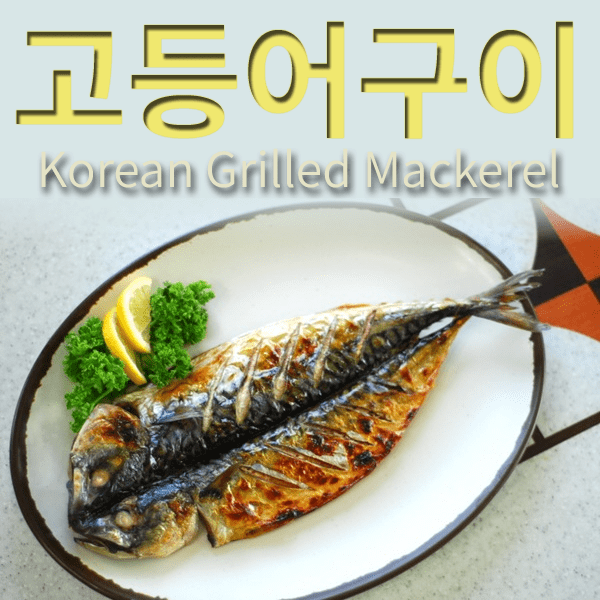
Godeungeo gui is Korean grilled mackerel seasoned simply with salt. Mackerel is rich and cooks quickly, so the useful decisions are drying the skin, using steady heat, waiting until the fish releases before turning, and checking the thickest part before serving.
Bottom line: Keep the fish cold until preparation, dry it thoroughly, season it lightly, and cook it skin-side down first. A food thermometer in the thickest part should reach 145°F (63°C); without one, check that the flesh is opaque and separates easily with a fork.
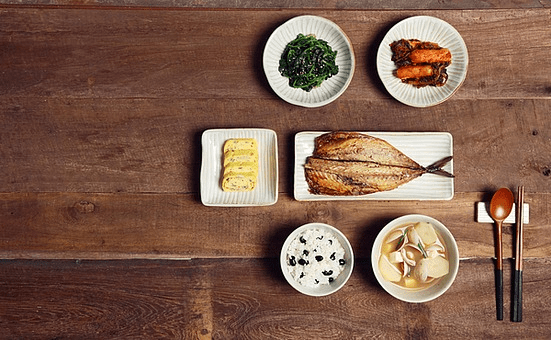
Godeungeo Gui Ingredients
Fish and Seasoning
- 2 to 3 whole fresh mackerel, about 1 lb each, cleaned and gutted
- Coarse sea salt or kosher salt
- Black pepper
- A small amount of sesame oil, optional
- Lemon or lime wedges
Optional Serving Items
- Korean lettuce leaves for wrapping
- Steamed short-grain rice
- Ssamjang, or gochujang mixed with a small amount of sesame oil
- Kimchi
- Korean bean sprout salad
- Pickled radish
- Seasoned spinach or another vegetable side
Godeungeo Gui Cooking Method
- Prepare the fish. Keep the mackerel refrigerated until needed. Remove any remaining innards or membrane, rinse only if necessary, and pat the surface and cavity very dry. Check the flesh for visible bones.
- Season lightly. Sprinkle salt over the skin, flesh, and cavity, with optional black pepper. Let the salt sit briefly while the cooking surface heats, then blot away moisture that appears on the skin.
- Heat the cooking surface. Preheat clean grill grates or a heavy skillet over moderate heat. Oil the surface lightly; brush the fish with a small amount of sesame oil only if desired.
- Cook skin-side down first. Place the mackerel on the hot surface and leave it undisturbed until the skin is browned and releases with gentle pressure. If it sticks firmly, wait and check again instead of forcing it.
- Turn and finish. Turn the fish carefully and cook the flesh side. Whole fish and thick pieces need more time than thin fillets, so judge the actual fish rather than one fixed time.
- Check doneness. Insert a food thermometer into the thickest flesh without touching bone and confirm 145°F (63°C). The flesh should also be opaque and separate easily with a fork. Transfer to a clean plate.
- Serve and check for bones. Serve with citrus, rice, and optional banchan. Mackerel can contain fine bones, so inspect each portion carefully, especially when serving children or older diners.
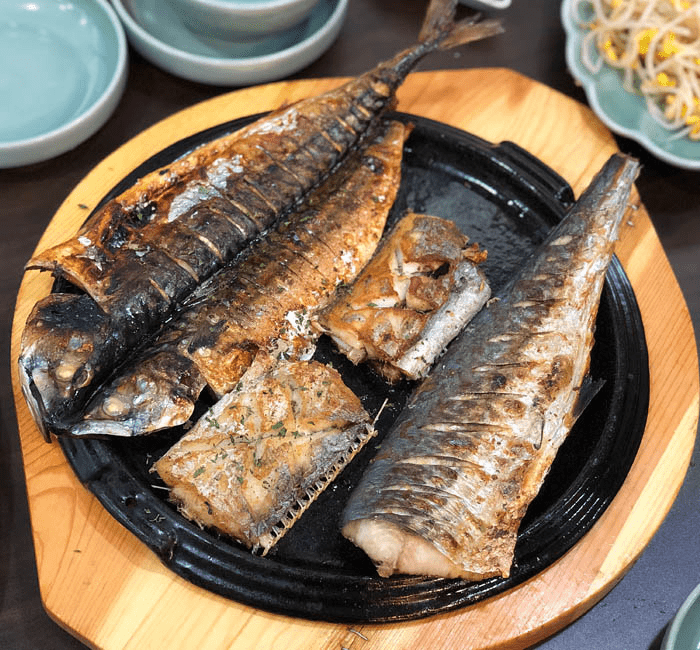
Grill or Skillet?
- Outdoor grill: Smoke and dripping fat stay outside, but delicate skin can stick to poorly cleaned grates. Oil the grates and turn only when the fish releases.
- Heavy skillet: The flat surface makes contact easier to control and works well for fillets. Ventilate the kitchen and avoid crowding the pan.
- Whole fish: It retains moisture well but takes longer to cook and requires more bone checking at the table.
- Skin-on fillet: It cooks faster and portions easily, but it can dry out sooner after turning.
Crispy-Skin Troubleshooting
- The fish sticks: The surface may be insufficiently heated or oiled, or the fish may have been moved before the skin released.
- The skin stays pale: Blot the fish more thoroughly and leave space around each piece so moisture can escape.
- The outside darkens too quickly: Reduce the heat and continue cooking until the center reaches the doneness check.
- The flesh is dry: Begin checking the thickest part early and remove the fish once it reaches 145°F (63°C).
Buying, Storage, and Verification Limit
The FDA seafood guidance recommends choosing fish that is refrigerated or displayed on fresh ice and avoiding fish with sour, rancid, or ammonia-like odor. It also provides the 145°F (63°C) target and the opaque, easily flaked visual cue. The same temperature appears in the FoodSafety.gov minimum-temperature chart.
This page preserves an archived ingredient list and broad grilling method. No owner cooking log was supplied to confirm a particular fish size, salt amount, heat setting, or cooking time, so the recipe is not labeled kitchen-tested. Check the fish in front of you and follow local food-safety guidance.
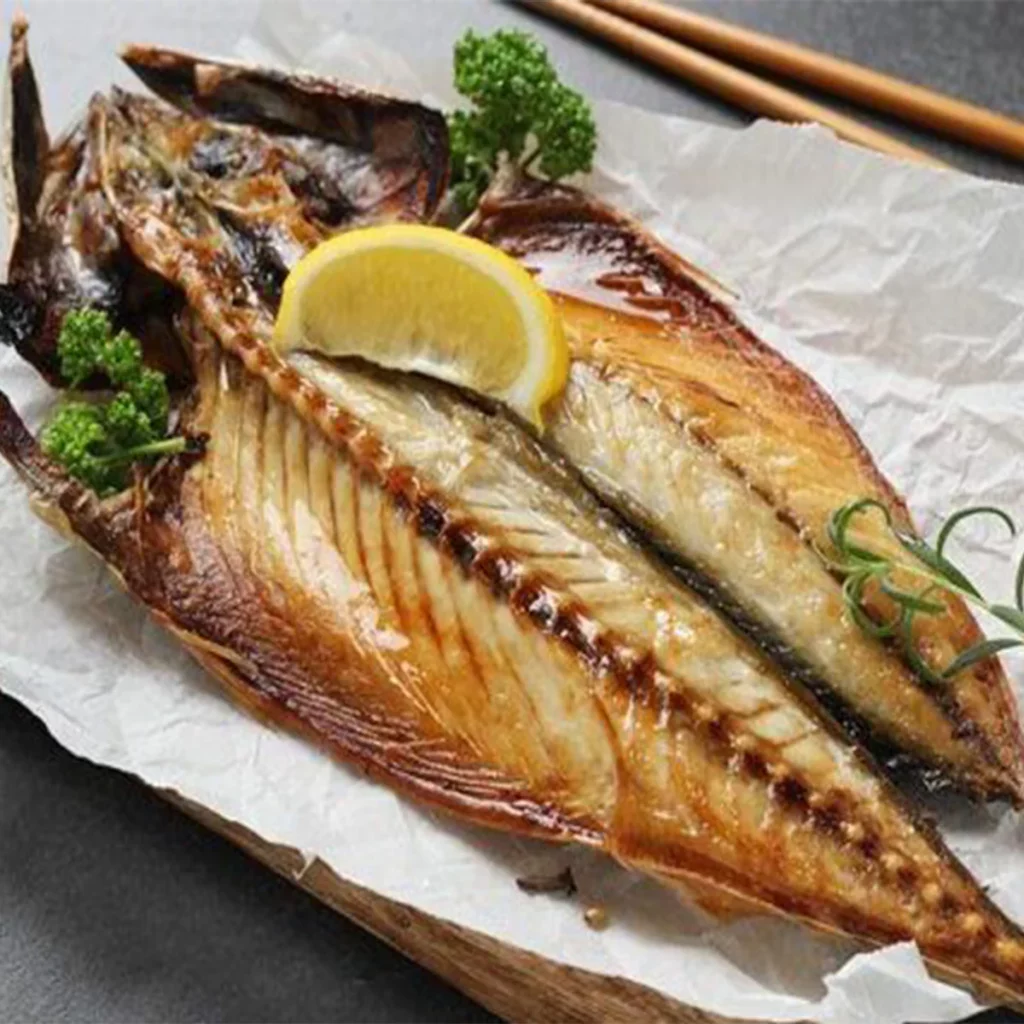
Build a Simple Korean Meal
Serve the fish with rice, kimchi, and one vegetable side rather than preparing every optional accompaniment. The Korean cooking starter plan explains the meal order, and doenjang jjigae is a useful soup to compare when planning the rest of the table.